Serving Kent & Medway · Monday to Friday, 9am to 5pmGet a free quote
Fire Doors KentINSPECT SUPPLY & INSTALL MAINTAIN

FIRE DOOR INSPECTIONS KENT

Fire door inspections
across Kent.

Understand the condition of your existing fire doors and the next steps for your property, with inspection enquiries across Kent and Medway.
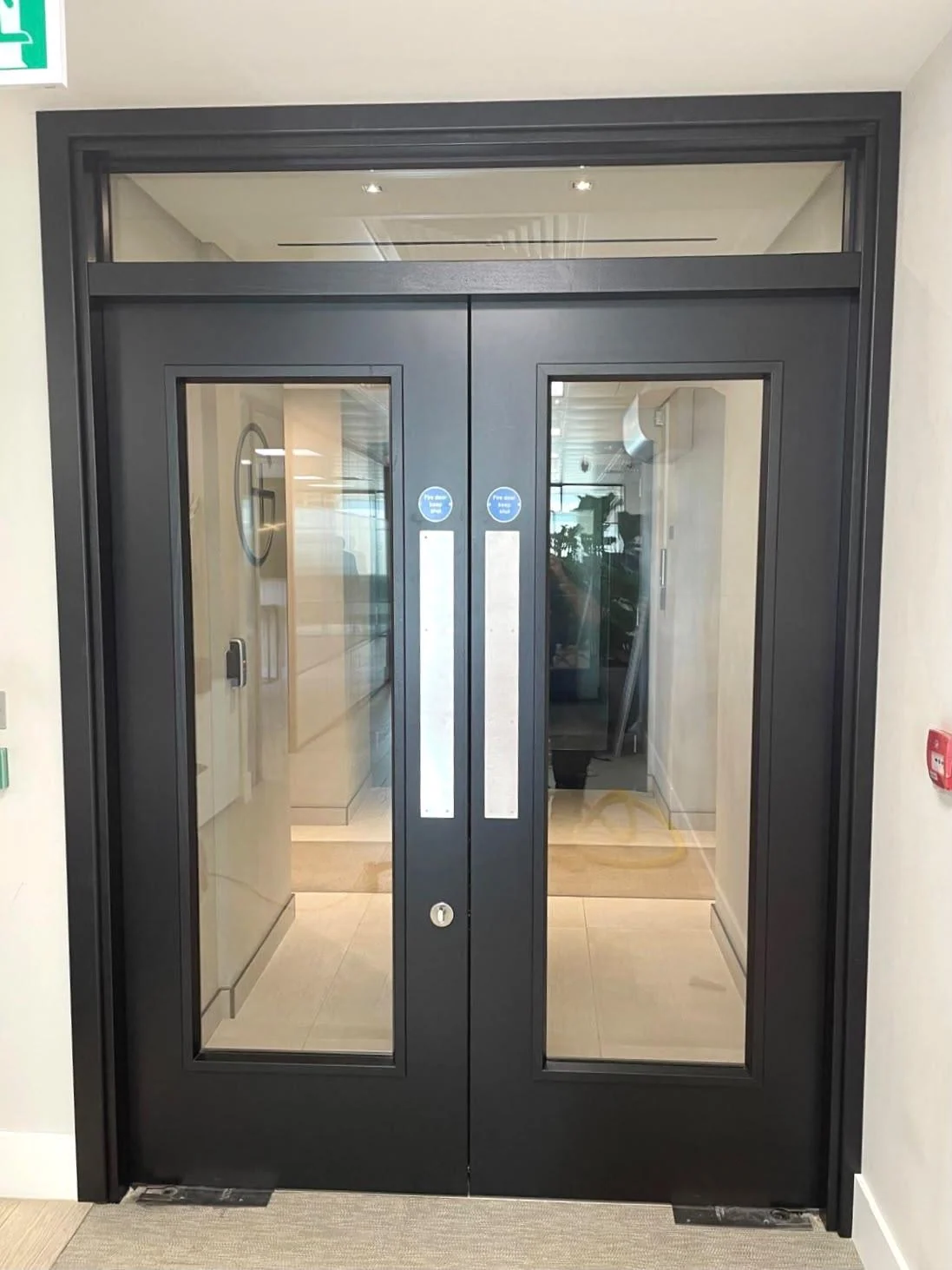
Glazed double doors with metal fittings installed in a buildingINSPECT. INSTALL. MAINTAIN.

INSPECTIONS FOR YOUR PROPERTY

A clearer picture of your existing doors.

An inspection starts with the doors already serving your building. You may be responding to a reported defect, organising a property review or seeking a clearer understanding of existing findings. Fire Doors Kent supports inspection enquiries from homeowners, landlords, managing agents and commercial property owners.

Tell us why the inspection is being requested and which doors are involved. We can discuss the scope, access requirements and information needed before a quotation is prepared. The aim is to establish a useful basis for decisions about condition, maintenance, suitable repairs or replacement where required.

Inspection is different from certification.

An inspection considers existing doors within its agreed scope. It does not automatically certify the product, another contractor’s installation or the overall compliance of a building.

A CLEAR STARTING POINT

Understand the work.
Plan the next step.

Define the scope

Identify the building, doors and reason for the inspection.

Arrange access

Coordinate the people and information needed for the visit.

Plan the response

Use the findings to discuss the appropriate next steps.

INSPECTIONS IN KENT

Practical guidance.
Informed decisions.

When an inspection is a useful starting point

An inspection can help when the condition of existing doors is uncertain or a defect has been reported. Examples of concerns to describe include damage, difficulty closing or a change since earlier work. You do not need to diagnose the cause before making an enquiry.

If a fire risk assessment or previous report has identified door issues, share the relevant findings. Explain whether the requirement is to inspect particular doors or consider a wider group. A clear reason for the visit helps distinguish a targeted enquiry from a broader review of doors throughout a property.

Agreeing what will be inspected

A useful inspection brief identifies the building, approximate door count and door locations. State whether the enquiry concerns flat entrances, doors in shared areas or doors within commercial premises. Include existing references where available so everyone can discuss the same openings.

Ask what the proposed inspection includes and what information will be provided afterwards. If you require photographs, a door schedule or a particular reporting format, raise this before accepting the quotation. These outputs should be agreed for the project, rather than assumed from the word “inspection” alone. Also discuss how inaccessible areas or missing information will be recorded.

Routine checks and specialist assessment

Routine checks and a more detailed assessment serve different purposes. Government guidance describes simple checks for common defects and explains that they do not replace periodic specialist assessment of fire doors. It is important to commission the service that answers your actual question.

For multi-occupied residential buildings in England with storeys over 11 metres, the Fire Safety (England) Regulations 2022 require quarterly checks of communal fire doors and best endeavours to check flat entrance doors at least annually. Those intervals should not be applied indiscriminately to every property. Discuss your building’s circumstances and existing fire safety arrangements when setting the brief.

Preparing for access to the doors

Access can determine how much of the agreed scope can be completed at a visit. Tell us who controls access and whether appointments need arranging with occupiers. Where several people are involved, nominate a main contact who can coordinate practical questions about the building.

Prepare any existing door list, reports and relevant records before the visit is agreed. Identify doors by a consistent location or reference, rather than relying on descriptions such as “the brown door”. If some doors may be inaccessible, mention this in advance. The inspection scope and any limitations need to remain clear when the findings are considered.

Turning findings into a practical plan

Findings are useful when they can be connected to a particular door and a clear next step. Ask how the proposed reporting will distinguish observations, limitations and recommendations. A list of defects is the beginning of a response, rather than evidence that all necessary work has already been completed.

After the inspection, discuss whether the next action involves further information, maintenance, a suitable repair or replacement. Keep the findings with the property records and track the work that is subsequently agreed. Where other people make authorisation decisions, ensure they receive enough context to understand which doors and issues are being discussed.

Requesting a Kent inspection quotation

Provide the postcode, building type and approximate quantity when you contact Fire Doors Kent. Explain whether you have an existing report and whether the enquiry covers one address or several. If the number of doors is not yet confirmed, give a reasonable estimate and describe the uncertainty.

We cover Kent and Medway, including Maidstone, Dartford, Canterbury, Ashford and the coastal towns. The contact page serves inspection and remedial enquiries, so there is no need to submit separate forms for each concern. If you prefer to speak first, call the team and describe what has prompted the request.

Further reading: GOV.UK: fire door guidance for responsible persons.

YOUR QUESTIONS, ANSWERED

Inspections FAQs

Helpful answers before you request your quotation.

Is an inspection the same as a fire risk assessment?

No. A fire door inspection has an agreed focus on the doors. It should not be described as a complete fire risk assessment of the building or a substitute for its wider fire safety arrangements.

Do inspections automatically certify existing doors?

No. Inspection findings do not amount to automatic product certification or retrospective certification of another installer’s work. Confirm the inspection scope and the outputs included before proceeding.

How often should doors be checked?

The applicable requirements depend on the building. Residential checks under the Fire Safety (England) Regulations have specific conditions. Review the linked government guidance and your property’s arrangements when agreeing the required service.

Do you need access to each door?

Access needs to match the agreed scope. Tell us about occupier appointments, locked areas or other restrictions before the visit is arranged, and discuss how any limitations will be recorded.

Can I send an existing report?

Yes. Mention the report and the relevant door references in your enquiry. It helps explain what has already been identified and what you need the proposed inspection to establish.

Can you discuss repairs after an inspection?

Yes. Inspection findings can be used to discuss suitable next steps, including maintenance, repairs or replacement where required. Any proposed work should be considered against the particular door and issue.

YOUR NEXT STEP

Tell us about your Kent property.

Share your postcode, building type and the support you need. We’ll discuss the next step for your free quotation.

SPEAK TO OUR TEAM

Choose your local number.

Contact the area closest to your property for a free quotation.

SPEAK TO OUR TEAM

Choose your local number.

Maidstone & Nearby Areas01622 919 981Click to call Dartford & Nearby Areas01322 903 981Click to call

Monday to Friday, 9am to 5pm